
Don’t Fall In Love With The Plan
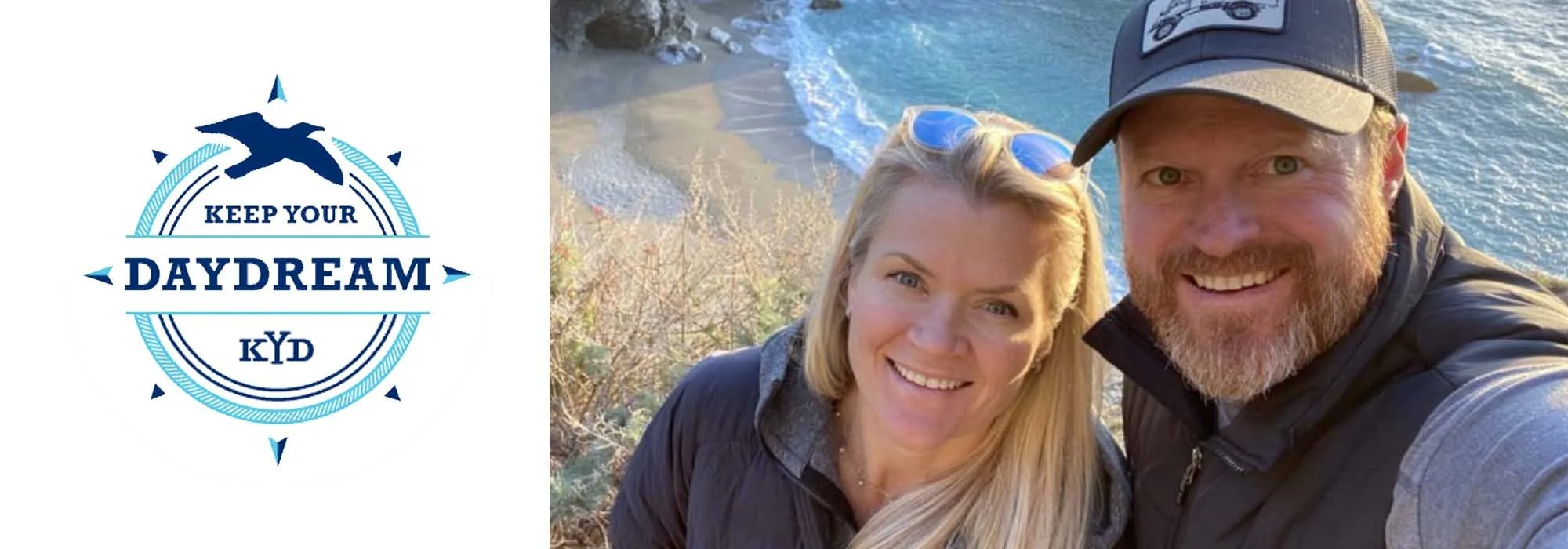
One of my favorite YouTube channels is Keep Your Daydream (KYD). Hosts, Marc and Trish, have spent the last decade documenting their adventures in RVing, travel, and life, and in a recent episode reflecting on ten years of lessons learned, Marc shared a simple line that immediately stuck with me:
“Don’t fall in love with the plan.”
The more I thought about it, the more I realized how perfectly that applies to the meetings and events world.
In our industry, planning is everything. We build timelines, production schedules, rooming lists, transportation manifests, contingency plans, weather backups, staffing grids, BEOs, communication flows…the list goes on and on. A solid plan is what creates confidence for clients and smooth experiences for attendees.
But there’s a difference between building a strong plan and becoming emotionally attached to it.
Because the reality is, no matter how detailed the preparation, something will eventually shift.
Flights get delayed. Weather changes. A keynote speaker misses a connection. AV equipment decides to develop a personality. A beautiful outdoor reception suddenly has a thunderstorm sitting directly on top of it.
And if your success depends on the day unfolding exactly as originally planned, you’re setting yourself up for frustration.
The best planners, producers, and leaders aren’t the ones who create “perfect” plans. They’re the ones who know how to pivot when reality shows up.
That’s where experience matters.
For example, we may design an incredible outdoor reception because the setting, lighting, and atmosphere align perfectly with the client’s vision. But part of responsible planning is also asking:
What happens if the weather changes?
Is there an indoor backup option?
How quickly can we pivot?
What level of contingency is financially reasonable for the client?
Where’s the balance between preparedness and overengineering?
Because you absolutely can over-plan.
At some point, excessive contingency planning becomes analysis paralysis. Or it creates unnecessary costs that don’t meaningfully improve the attendee experience. The goal isn’t to eliminate every possible risk. The goal is to create a strong framework that gives you the flexibility to adapt confidently when things change.
That’s a much healthier mindset, not just for events, but honestly for life in general.
Some of our favorite event moments have come from pivots we never intended to make. We’ve had schedule changes create unexpected downtime that turned into meaningful networking. We’ve shifted venues at the last minute and ended up with a more intimate, energized atmosphere. We’ve adjusted activities based on weather or local conditions and accidentally created something far more memorable than the original plan.
Those aren’t failures.
Those are reminders that sometimes the magic happens in the adjustment.
The KYD folks talked about how many of their most memorable experiences came from the deviations, not the original itinerary. I think that resonates because it’s true for almost everyone. Very few meaningful stories start with, “Everything went exactly according to plan.”
Planning still matters deeply. In fact, good pivots are usually only possible because of strong preparation behind the scenes. Structure creates stability. Experience creates adaptability.
The key is remembering that the plan is a tool, not the destination.
So yes, plan carefully. Think ahead. Build contingencies. Prepare thoroughly.
Just don’t fall so in love with the plan that you miss the opportunities hidden inside the unexpected.
Cheers,
Kelly